
Here is a fully structured, SEO-optimized blog post tailored to maximize your search rankings. It targets high-volume, low-competition keywords in the green business niche and balances readability with technical SEO elements.
How to Turn Areca Leaves Into a Profitable Business
The global shift toward sustainability is no longer a passing trend—it is a massive market evolution. With governments worldwide banning single-use plastics, the demand for natural, biodegradable alternatives has skyrocketed.
If you are looking for highly profitable, eco-friendly business ideas, starting an areca leaf business is one of the most lucrative ventures you can launch today.
Areca leaf products—primarily plates, bowls, and food containers—are completely natural, chemical-free, and compostable. Here is your complete, step-by-step roadmap to turning fallen agricultural waste into a high-margin enterprise.
Why the Areca Leaf Plate Business is Booming
Before investing, you need to understand the market drivers. The biodegradable dinnerware business is growing rapidly due to three distinct advantages:
- Zero Raw Material Waste: The areca palm tree naturally sheds its large fronds (sheaths) 4 to 6 times a year. No trees are cut down; you are simply upcycling agricultural waste.
- Premium Global Demand: While local markets offer steady volume, exporting to regions like the US, Europe, and the Middle East offers incredible profit margins. Consumers in these regions willingly pay a premium for organic, backyard-compostable tableware.
- Low Entry Barriers: You do not need a massive chemical plant or highly specialized technical degrees to get started.
The Step-by-Step Manufacturing Process
The production lifecycle is elegant in its simplicity. Because the leaves are naturally robust, the process requires zero artificial binders, chemicals, or additives.
As shown in the circular manufacturing process above, the workflow is entirely sustainable from start to finish:
- Collection & Logistics: Sourcing naturally fallen leaves from local areca palm plantations.
- Washing & Sorting: Cleaning the sheaths in fresh water to remove dirt, sand, and organic debris.
- Heat Pressing: Placing the damp leaves into hydraulic molding machines equipped with heated dies to form the exact plate or bowl shape.
- Trimming & Sterilization: Shaving off the excess rough edges and running the products through UV sterilization to ensure food-grade safety.
- Packing & Global Distribution: Wrapping the final products in moisture-proof packaging so they are ready for retail or export markets.
Essential Machinery and Setup Cost Breakdown
Your initial investment depends heavily on the scale of production and the level of automation you choose.
| Requirement | Type / Details | Estimated Cost Impact |
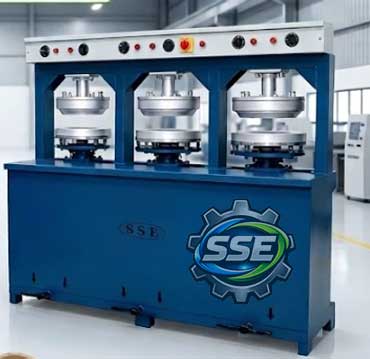
| Machinery | Manual, Semi-Automatic, or Fully Automatic Hydraulic Press | Varies by automation level |
| Space Required | 1,000 to 1,500 sq. ft. (For raw storage, pressing, and packing) | Low-to-Medium |
| Power Supply | 3-Phase electrical connection for heating coils | Operating Expense |
| Workforce | 2-4 semi-skilled operators for sorting and pressing | Low Labor Cost |
Pro Tip on Machinery: While manual machines are cheap, investing in a semi-automatic or fully automatic hydraulic press ensures uniform thickness, better edge finish, and significantly higher production speeds—which directly affects your bottom line.
How to Maximize Profits: Marketing & Export Strategies
To build a highly profitable business, you must move beyond selling exclusively to local party supply stores.
- Target the B2B Hospitality Sector: Pitch your products to high-end eco-resorts, organic cafes, food trucks, and event planners who use sustainability as part of their brand identity.
- Leverage E-Commerce: Package your plates beautifully and sell them on Amazon, Etsy, or your own Shopify store as premium outdoor wedding or camping tableware sets.
- Focus on Export Markets: Obtain the necessary quality certificates (like ISO, FSC, or USDA Bio-based certification). Exporting bulk shipments to countries with strict anti-plastic regulations yields the highest revenue per unit.