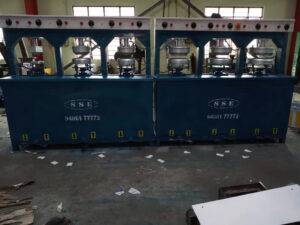
High-Volume Production: Exploring the Disposable Plate Making Machine Industry
The global demand for disposable tableware—driven by the catering industry, fast-food services, and convenience culture—makes the disposable plate making machine a vital component of modern manufacturing. These machines are the backbone of high-volume production, transforming raw materials like paper, plastic, and natural fibers into sanitary, single-use plates and bowls.
Understanding the Raw Materials and Technologies
The type of machine used is primarily determined by the desired raw material:
1. Paper Plate Making Machines
- Material: Coated paperboard or art paper.
- Technology: These machines utilize automatic feeding, heating, and stamping processes. A hydraulic or mechanical press stamps the paper into a specific mold (die) under heat, forming the plate shape and curling the rim simultaneously. Modern versions often include automatic counting and stacking features.
- Advantage: Cost-effective, popular for lightweight snack plates, and easily recyclable (if uncoated).
2. Thermoforming Machines (Plastic/Foam Plates)
- Material: Polypropylene (PP), Polystyrene (PS), or Expanded Polystyrene (EPS/Foam).
- Technology: Plastic sheets are fed into the machine, heated until pliable, and then a mold uses vacuum pressure or air pressure to form the plate. Once cooled, the finished items are trimmed and stacked.
- Advantage: High durability, water resistance, and rapid production speeds, often used for heavy-duty disposable cutlery and containers.
3. Biodegradable Plate Machines (Pulp/Fiber)
- Material: Bagasse (sugarcane residue), wheat straw, bamboo, or wood pulp.
- Technology: The raw fiber is pulped with water and additives, then pumped into forming molds. Vacuum suction draws the water out, leaving the fiber molded to the plate shape. The plates are then transferred to hot pressing dies for drying, shaping, and sterilizing.
- Advantage: Meets growing consumer demand for compostable and eco-friendly products, offering a sustainable alternative to plastic.
Key Factors for High-Efficiency Production
For manufacturers, efficiency is paramount. Key considerations when choosing or operating a machine include:
- Automation Level: Fully automatic machines require minimal labor and offer continuous, high-speed output, significantly lowering per-unit costs.
- Tooling and Die Quality: High-precision, durable molds ensure consistent product quality, minimize material waste, and reduce downtime for replacement.
- Energy Consumption: Modern machines are designed with energy-efficient heaters and servo drives to reduce overall power usage, especially important in high-heat processes like paper stamping or plastic thermoforming.
By selecting the right machine and raw material, manufacturers can successfully supply the vast and ever-growing market for reliable and affordable disposable tableware, balancing production needs with environmental responsibility.